Top Methods of Manufacturing to Optimise Production Performance
3 Feb 2026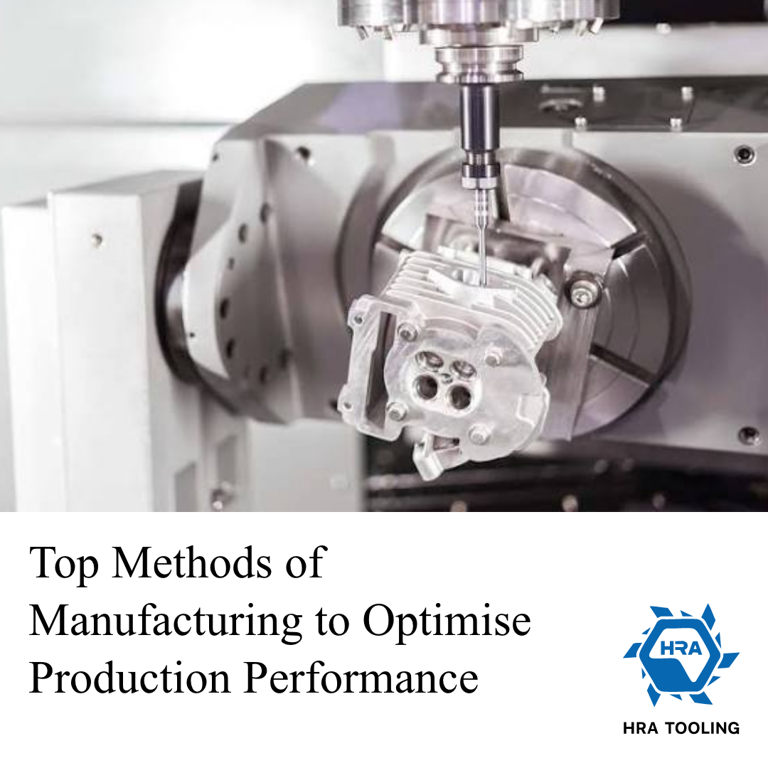
Top Methods of Manufacturing to Optimise Production Performance
In today’s competitive manufacturing environment, optimising production performance is essential for businesses looking to remain efficient, cost-effective, and innovative. At HRA Tooling, we understand that the right tools and techniques can make a significant difference to productivity, quality, and overall operational success. As a leading distributor of premium cutting tools and precision engineering supplies in Ireland, we work closely with our customers to implement advanced methods of manufacturing that deliver measurable improvements on the shop floor.
What Are Methods of Manufacturing?
Methods of manufacturing refer to the systematic processes, techniques, and workflows used to produce high-quality components efficiently. They encompass everything from tool selection and machining techniques to process sequencing, quality control, and workforce practices. By applying the correct methods of manufacturing, businesses can reduce waste, improve precision, minimise downtime, and maintain consistent output.
1. Lean Manufacturing
Lean manufacturing is a philosophy aimed at maximising value for the customer while minimising waste. This involves streamlining workflows, optimising tool usage, and continuously evaluating processes for efficiency. Lean manufacturing principles can help precision engineering companies identify bottlenecks, reduce unnecessary steps, and ensure every part of the production process contributes to value creation.
At HRA Tooling, our in-house application engineers work with clients to assess current workflows and recommend tooling strategies that support lean principles, such as implementing tooling vending machines to ensure the right tools are always available on the shop floor.
2. Just-in-Time Production
Just-in-time production focuses on producing the right components at the right time, avoiding overproduction and excessive inventory. This method requires precise planning, reliable supply chains, and close collaboration with technical suppliers. HRA Tooling supports just-in-time production by providing fast access to high-quality cutting tools and engineering supplies, ensuring manufacturers can maintain seamless production schedules without costly delays.
3. Six Sigma Quality Control
Six Sigma is a methodology that focuses on reducing variability and improving quality through data-driven decision-making. By analysing production processes, identifying sources of error, and implementing controlled procedures, manufacturers can achieve consistent output and minimise defects. Precision engineering relies heavily on consistent accuracy, and by integrating Six Sigma principles, companies can enhance both efficiency and product quality. HRA Tooling helps by recommending tools and processes that align with Six Sigma objectives, from optimised cutting tools to precise measurement systems.
4. Automation and Computer Numerical Control Machining
Automation, including the use of computer numerical control machining, allows manufacturers to increase precision and efficiency while reducing manual labour and human error. Modern machining techniques, supported by advanced cutting tools, enable repeatable, high-quality production even for complex components. HRA Tooling provides expert advice on selecting the best tools for automated processes and supports customers in implementing strategies that enhance production output and maintain accuracy across large-scale operations.
5. Total Productive Maintenance
Total productive maintenance is a proactive approach to maintaining equipment and tools to prevent unexpected downtime. This involves regular inspections, predictive maintenance, and rapid replacement of worn components. By applying this method of manufacturing, businesses can maintain optimal performance and extend the life of both machinery and tools. HRA Tooling’s technical expertise includes guidance on maintenance schedules, tool life optimisation, and on-site support to ensure production runs smoothly.
6. Continuous Improvement
Continuous improvement is a mindset that encourages ongoing evaluation and enhancement of processes. By regularly analysing production data, experimenting with new tools, and refining workflows, manufacturers can steadily improve performance, reduce errors, and increase efficiency. HRA Tooling’s in-house engineers collaborate closely with clients to identify areas for improvement, implement practical solutions, and monitor results to ensure long-term operational excellence.
Conclusion
Optimising production performance requires more than just high-quality tools; it demands a holistic approach that combines advanced methods of manufacturing, technical expertise, and a commitment to efficiency. At HRA Tooling, we partner with customers across Ireland’s precision engineering sector to implement these methods, from lean manufacturing and just-in-time production to automation, quality control, and continuous improvement.
By combining world-class cutting tools with tailored application support, we help manufacturers solve complex machining challenges, drive process improvements, and maintain competitive production standards.
To discover how HRA Tooling can help your business optimise its manufacturing processes and achieve higher productivity, get in touch with our team today.
Contact Us:
Cork: +353 21 4853000
Email: sales@hratooling.com