Reducing Scrap and Waste with Premium Tooling
30 Jun 2026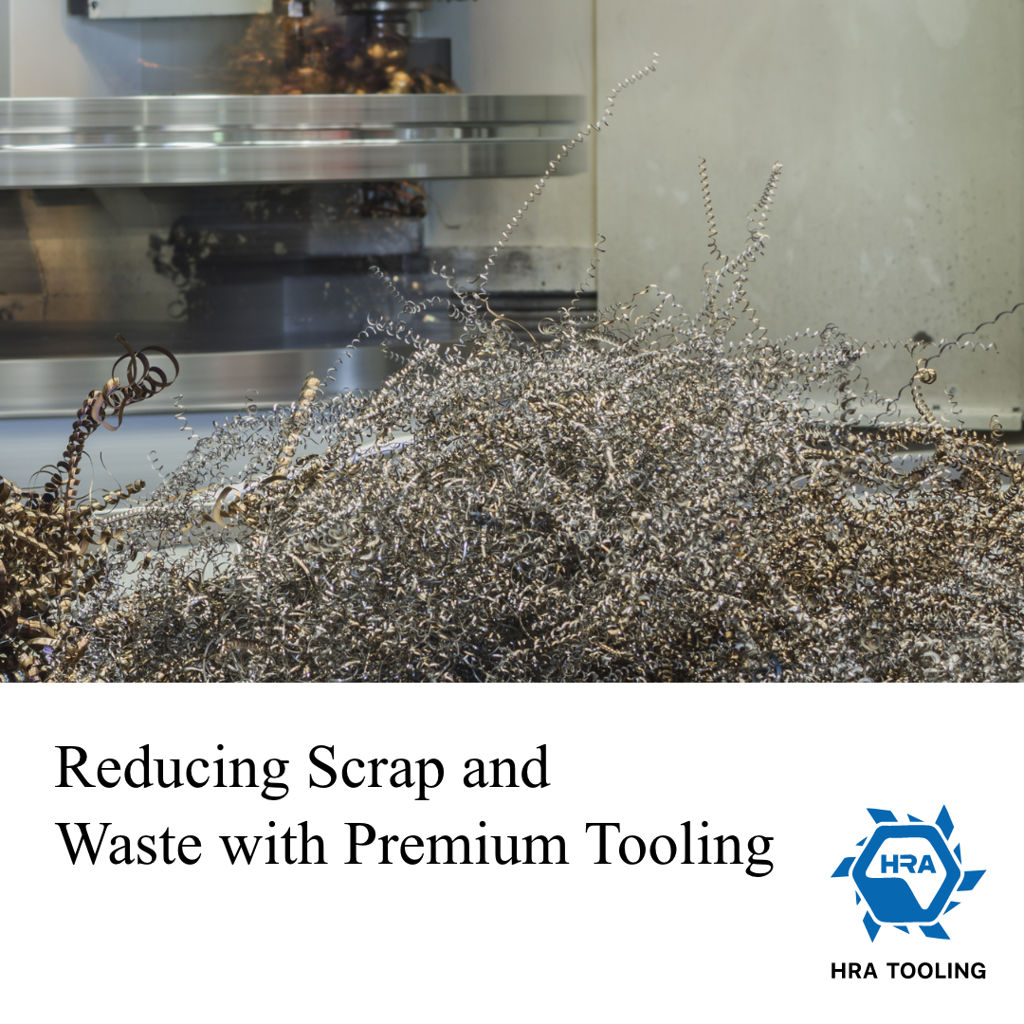
Scrap is one of the clearest signs that a manufacturing process is not performing as efficiently as it could. Every rejected component represents more than wasted material. It may also include machine time, labour, energy, tooling, inspection and delayed production. For manufacturers working with expensive alloys or tightly controlled specifications, even a small reduction in scrap can deliver a meaningful operational saving.
Scrap Is a Process Cost, Not Just a Material Cost
When a component is rejected near the end of a machining cycle, most of the production cost has already been incurred. Raw material has been purchased, the machine has been occupied and several operations may have been completed. Rework can sometimes recover the part, but it also consumes capacity and may introduce further risk.
This is why scrap reduction should be approached across the full machining process. Tool selection, tool condition, workholding, cutting data, coolant delivery, inspection and operator practice all influence whether a component is produced right first time.
How Tooling Contributes to Waste
A cutting tool that is poorly matched to the material or operation may produce unstable cutting forces, excessive heat, rapid wear or inconsistent chip control. The immediate symptom might be a poor surface finish or an out-of-tolerance feature, but the underlying cause can be the tooling strategy.
Low-cost tooling can also create hidden waste when performance varies between batches or replacement is required more frequently. The purchase price of an insert is only one part of its value. Consistency, predictable tool life and the ability to maintain the required finish and tolerance are often more important to the overall cost per component.
The Role of Premium Tooling
Premium tooling is designed to deliver controlled performance under defined machining conditions. Suitable tool geometry, substrate, coating and edge preparation can improve chip formation, reduce heat and maintain cutting stability. This supports repeatable dimensions and surface finishes across longer production runs.
The benefit is not simply that a tool may last longer. A stable tool allows the process to run with fewer adjustments and less uncertainty. It can reduce the need for conservative cutting data, repeated trial cuts and frequent inspection, while helping operators identify genuine process changes more quickly.
Reducing Waste at the Start of a Job
Many rejected parts occur during setup, particularly where a process relies on repeated manual adjustment. Standardised tooling assemblies, accurate presetting, proven cutting data and clearly documented methods can reduce the number of trial components required before full production begins.
Application engineering input at the planning stage can also prevent avoidable problems. Reviewing component features, material behaviour, machine capability and clamping before production begins helps ensure that the proposed toolpath and tooling system are suitable for the task.
Extending the Value Beyond the Cutting Edge
Waste reduction also includes better control of tooling inventory. Overstocking ties up capital and can leave manufacturers holding items that are rarely used. Understocking creates the opposite problem, with production delayed while replacement tools are sourced. Tooling vending and managed inventory systems can provide controlled access, usage visibility and more reliable replenishment.
Data from these systems can show which items are used most frequently and where abnormal consumption is occurring. This helps manufacturers investigate problems such as premature wear, incorrect tool selection or inconsistent working practices.
A Continuous Improvement Opportunity
Scrap reduction is rarely achieved through one major change. More often, it comes from a series of targeted improvements: selecting the right tool, stabilising the process, monitoring wear, standardising setup and using reliable data. Each improvement supports a higher proportion of right-first-time components.
By considering tooling as part of the complete manufacturing method, businesses can reduce waste while improving productivity, quality and delivery performance. The strongest result is a process that uses material, machine capacity and operator time more effectively.
HRA Tooling works with manufacturers to improve machining performance and reduce avoidable waste. Contact the team on 0214853000 or email: sales@hratooling.com to discuss your application.